
How to buy 2nd tickets without getting scammed with Circolar
Published on October 29, 2026
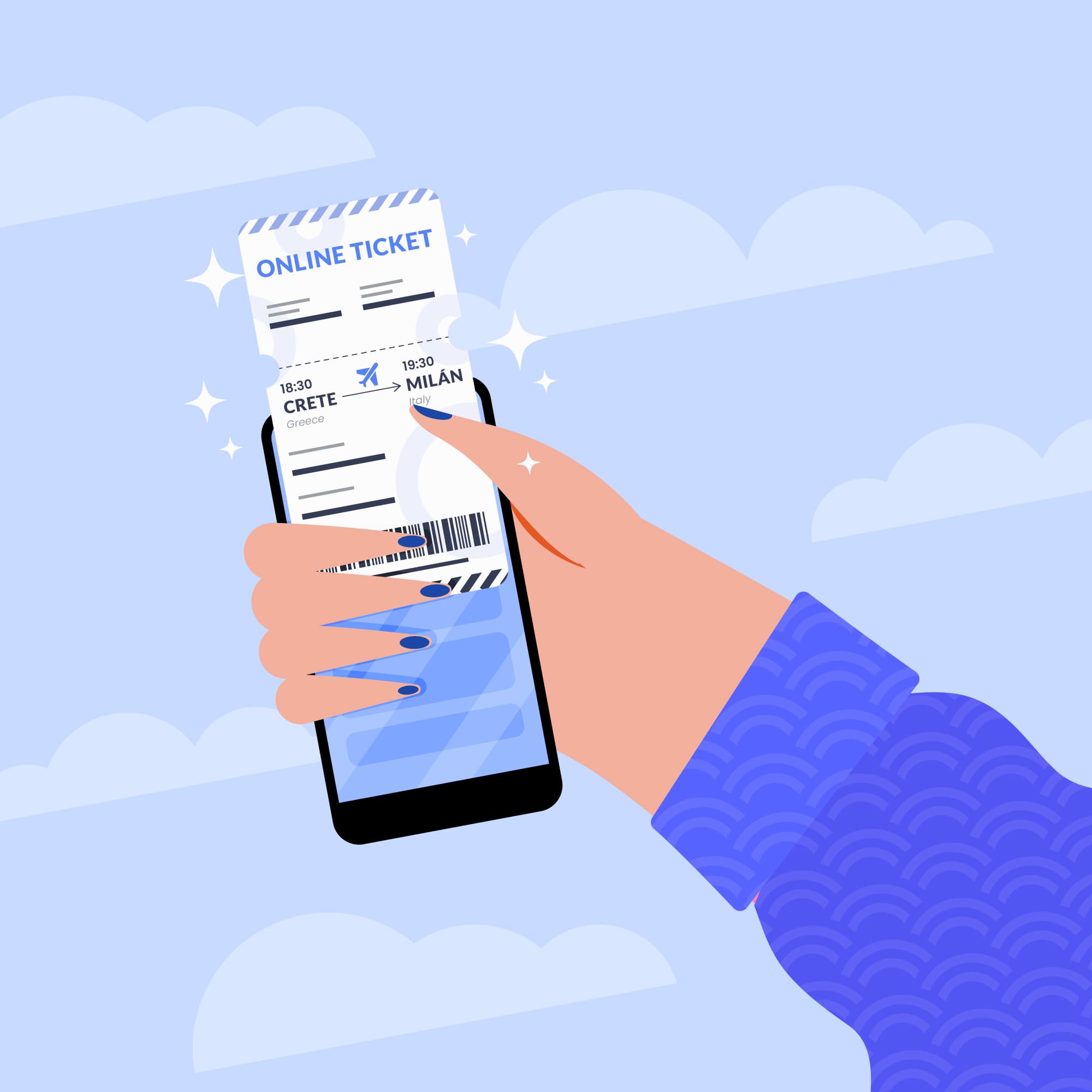
You've probably seen it happen: a concert ticket going for a steal in a Facebook group, and your first thought is "what a deal... but what if I get scammed?" Or maybe you've tried buying a secondhand train ticket from a stranger and backed out at the last second, because really, who's going to guarantee that ticket is real and the seller won't just disappear with your money?
That fear isn't paranoia, it's common sense. Reselling tickets between individuals, with no protection in place, is full of risks: duplicated tickets, faked screenshots, sellers who take your money and deliver nothing. That's exactly why, when we designed Circolar, we decided that no one's money would move from one side to the other until both parties had real guarantees. This is called an escrow payment system, and it's the backbone of our entire platform.
Let me walk you through it, because understanding how it works is the best way to stop being afraid of buying (or selling) secondhand.
What exactly is an "escrow" system?
Think about how you buy something at your local corner shop: you see the product first, you check it out, you confirm it's what you were looking for, and only then do you pay. Nobody asks you for money upfront without letting you see what you're getting in return.
Online, it doesn't always work that way. Usually, when you buy something secondhand from an individual seller, you pay first and just hope everything works out afterward. Escrow flips that logic around: a neutral intermediary (in this case, Circolar) temporarily holds your money, and only releases it to the seller once you've confirmed everything is in order. The buyer never ends up with neither money nor ticket, and the seller never hands something over without getting paid. It's what makes buying on a marketplace feel as safe as buying in a physical store.
How the process works on Circolar, step by step
The whole system comes down to three simple steps, designed to protect both the buyer and the seller.
1. You buy You choose the ticket you want and pay with whichever card you prefer. But here's the key part: that money doesn't go straight to the seller. It stays temporarily held within Circolar, like a digital "safe box."
2. You verify Once you receive the ticket, you have a window of time (usually a few days) to calmly check that everything is correct: that the ticket is valid, that it matches the trip or event you were looking for, that the details are what you expected. You can verify it yourself, for example by checking it directly on the train company's website.
3. You travel, or you get your money back If everything checks out, once that verification period ends the ticket is automatically considered valid, and only then is the money released and sent to the seller. If, on the other hand, you spot a problem — the ticket isn't valid, it doesn't match what was promised, there's any kind of irregularity — you can open a dispute within that same window and get 100% of your money back. No relying on a stranger's goodwill, no endless WhatsApp chains trying to get something refunded.
What about the seller? They benefit too
This system doesn't just protect buyers. If you're the one selling a ticket you're no longer going to use, you have the guarantee that the buyer has genuinely paid and that the money is set aside, waiting for confirmation. Once the buyer validates the ticket, the payment reaches you automatically, with no need to chase anyone down or trust a promise made over chat.
The technical part you don't see (but that protects you)
For a system like this to actually work, it's not enough to just "promise" security — you need the right infrastructure behind it. At Circolar, we rely on:
Certified payment infrastructure, through our partnership with Ryft, one of the world's leading online payment providers. Every transaction you make rests on a solid, audited foundation.
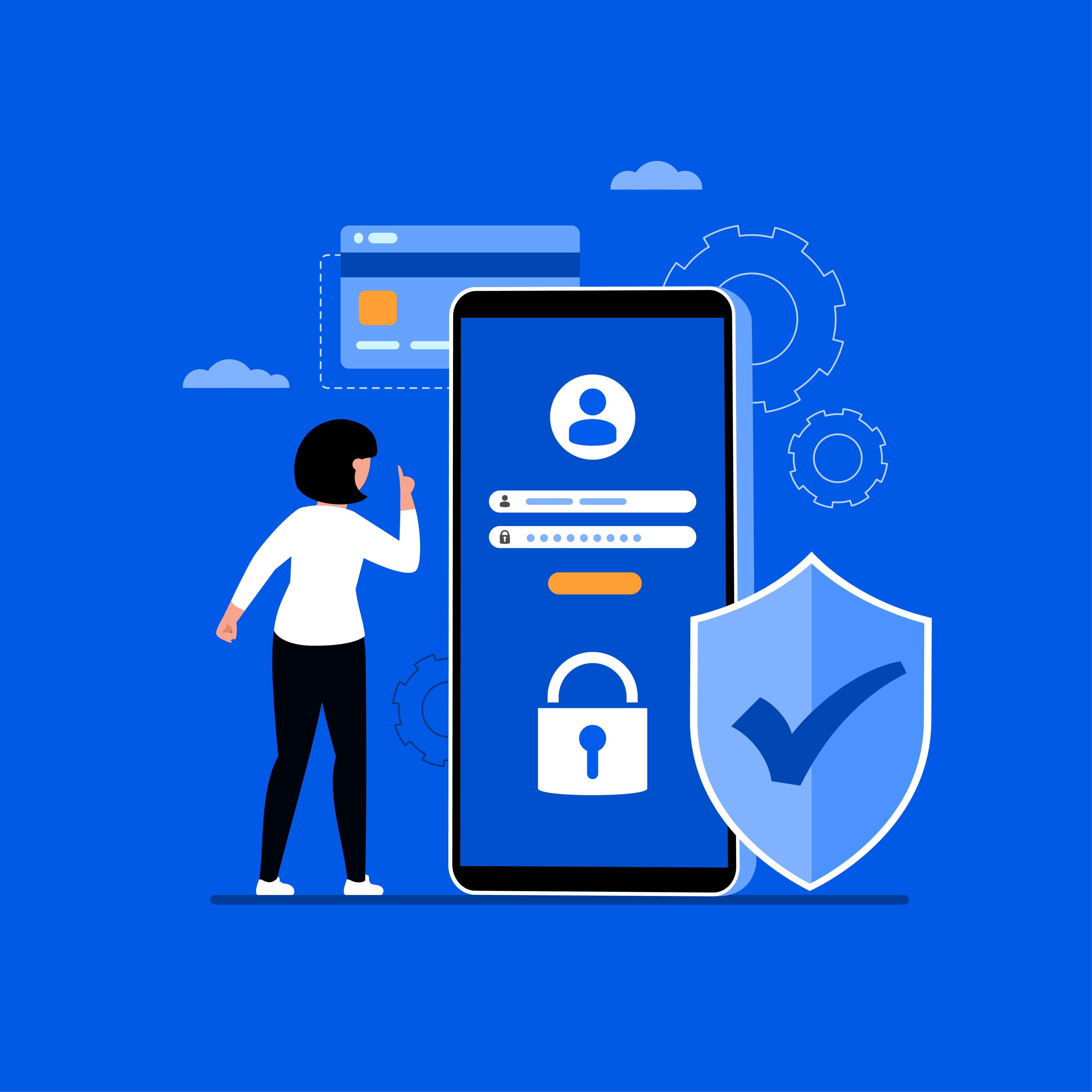
3D Secure authentication, the same two-factor verification protocol banks use to confirm it's really you making the payment, adding an extra layer of protection against card fraud.
Bottom line: buying secondhand shouldn't feel scary anymore
Reselling train tickets, event tickets, or vouchers makes complete sense: it keeps tickets that would otherwise go to waste from being wasted, and it helps people get better prices. The only reason so many people still hesitate is that, done informally (Facebook groups, chats, blind bank transfers), the risk of fraud is real.
With an escrow payment system like Circolar's, that risk practically disappears: your money is protected until you confirm everything is fine, and if something goes wrong, you get 100% of it back. So next time you spot that secondhand train ticket or event ticket you've been eyeing, you can say yes without crossing your fingers.